
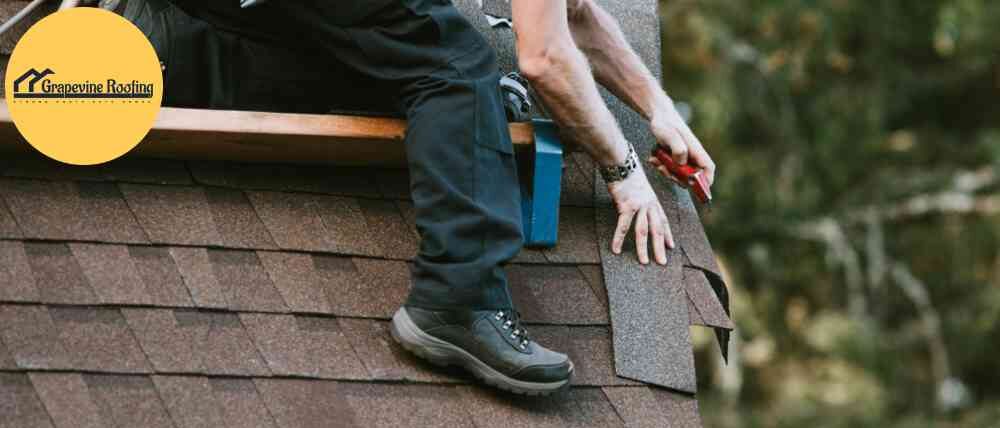
Choosing the right roofing contractor is crucial for protecting your home from Texas weather extremes like heavy storms, hail, and scorching heat. A trusted professional ensures quality materials, proper installation, and long-lasting results, while avoiding costly mistakes or scams.
After severe weather, homeowners often face pressure from out-of-town operators, but taking time to evaluate credentials leads to better outcomes.
Key factors include verifying licenses, insurance, experience, and warranties to safeguard your investment. This guide draws from industry best practices to help you navigate the process confidently.
By asking the right questions and comparing options, you’ll hire a reliable contractor committed to excellence, providing peace of mind and a durable roof tailored to local climate needs. Start with thorough research for a project done right the first time.
Verify Essential Credentials
Begin by confirming the contractor’s licensing and insurance, as these protect you legally and financially. In Texas, roofers handling jobs over certain values often need specific licenses; check with state authorities using their license number.
Request certificates for general liability and workers’ compensation insurance at least $1 million in coverage is standard to cover accidents or property damage.
Without these, you could face liability for injuries or repairs. Also, look for manufacturer credentials, signaling training in proper installation techniques for shingles or other materials. A physical business address, not just a P.O. box, indicates stability. These steps filter out unqualified providers early.
Evaluate Experience and Reputation
Assessing a contractor’s experience and reputation ensures reliability and quality work. Prioritize longevity, references, and reviews to gauge their track record effectively.
Business Longevity
Seek contractors with at least 3-5 years in operation, reflecting stability and honed expertise. Longer histories indicate they’ve weathered challenges, unlike newer firms lacking proven track records in handling diverse projects.
Customer References
Request at least three recent references, including contact info and photos of completed work. Follow up to verify satisfaction, inspect jobsites firsthand, and confirm consistent quality over time.
Online Reviews
Check Google, BBB, and Yelp for feedback patterns from verified users. Prioritize A-rated BBB status and consistent praise; dismiss isolated complaints while noting unresolved issues as red flags.
Avoid Common Red Flags
Steer clear of storm chasers offering unrealistically low bids, demanding large deposits, or pressuring quick decisions; these often use subpar materials or vanish post-payment. Vague contracts, lack of local presence, or refusal to provide references signal unreliability.
Be wary if they skip thorough inspections or can’t explain technical details like nailing patterns or ventilation needs. Poor communication, such as dodging questions or using jargon without clarification, erodes trust.
Always get multiple written estimates to spot outliers. Prioritizing licensed locals with solid reviews ensures quality over shortcuts.
Get Multiple Quotes and Compare
Obtain at least three detailed written estimates outlining scope, materials, labor, timeline, and costs with no verbal promises. Compare not just price, but inclusions like warranties and cleanup.
Low bids may cut corners, voiding manufacturer guarantees, while higher ones might offer premium features. Ask about subcontractors, payment schedules (avoid upfront full payment), and handling surprises like deck damage.
Use this to negotiate fairly. A professional provides line-item breakdowns and fits your schedule without rush. This process reveals the best value aligned with specific needs.
Understanding Warranties
Warranties safeguard your roofing investment, understand types and terms before signing to ensure full protection against defects and errors.
Manufacturer vs Workmanship
Manufacturer warranties cover material defects like shingle failures, often lasting 20-50 years or lifetime. Workmanship warranties guarantee proper installation, typically 5-10 years from the contractor, addressing labor issues.
Coverage Details
Comprehensive plans protect against leaks, improper sealing, and component failures; always check prorated terms after initial years and transferability to future owners. Extended coverage often requires certified installers for eligibility.
What to Verify
Review written warranty documents for exclusions like neglect, specific maintenance needs, and straightforward claim processes. Combine manufacturer and workmanship coverage for complete protection throughout the roof’s lifespan.
Services Offered by Quality Roofers
Reputable contractors provide comprehensive solutions beyond shingles:
- Roof inspections to assess damage, ventilation, and lifespan.
- Repairs for leaks, storm damage, or localized issues.
- Full replacements with matching systems: underlayment, flashing, starters, ridges.
- Ventilation upgrades to prevent mold and extend roof life.
- Emergency services with tarps for immediate protection.
- Gutters, siding, or painting for full exterior care.
- Insurance claim assistance and permit handling.
Expect clear explanations of processes, like proper valley installation or drip edge overhang, ensuring code compliance and durability in Texas conditions.
Hiring Checklist
Use this table to systematically evaluate candidates.
| Factor | What to Check | Why It Matters |
|---|---|---|
| Licensing & Insurance | Valid TX license #, $1M liability & workers’ comp certificates | Protects against legal/financial risks |
| Experience | 5+ years, 3+ local references, portfolio photos | Ensures skilled handling of weather |
| Quotes | 3+ detailed bids with scope, timeline, payments | Spots fair pricing and hidden fees |
| Warranties | Material (20+ yrs) + workmanship (5+ yrs) in writing | Covers defects and installation issues |
| Process | Inspection, permits, cleanup plan, safety measures | Guarantees quality and property protection |
| Reviews | A-rated BBB, verified Google/Yelp feedback | Validates reputation and customer service |
FAQs
What license does a roofer need?
In Texas, roofing contractors on jobs over $25,000 require a state-issued Residential Roofing Contractor License through TDLR. Verify active status online via the Texas Department of Licensing and Regulation portal for full compliance and legitimacy.
How many quotes should I get?
- At least three written estimates.
- Compare materials, warranties, and timelines.
- Avoid the lowest if it skips essentials.
What if a bid seems too low?
A suspiciously low bid often signals cheap materials, skipped essential steps like proper underlayment, or unlicensed labor. This risks future leaks, structural failures, voided manufacturer warranties, and higher repair costs always prioritize value over the lowest price.
How do I check insurance?
Request current certificates for general liability and workers’ comp, listing your name as additional insured. Directly call the insurer using the certificate’s contact to confirm coverage amounts, expiration, and validity before work begins.
Final Thoughts
Selecting a roofing contractor demands diligence to secure lasting protection against local hail and heat. Prioritizing licensed, insured pros with strong references, clear warranties, and detailed quotes rushing invites regret.
Multiple bids and pointed questions reveal true value, while avoiding lowball scams preserves your budget long-term. A quality roof boosts home value and safety, so invest time upfront. Document everything, from contracts to inspections, for smooth execution.
With these steps, you’ll partner with a reliable expert delivering excellence. Your home deserves nothing less to start researching today for peace of mind tomorrow.