
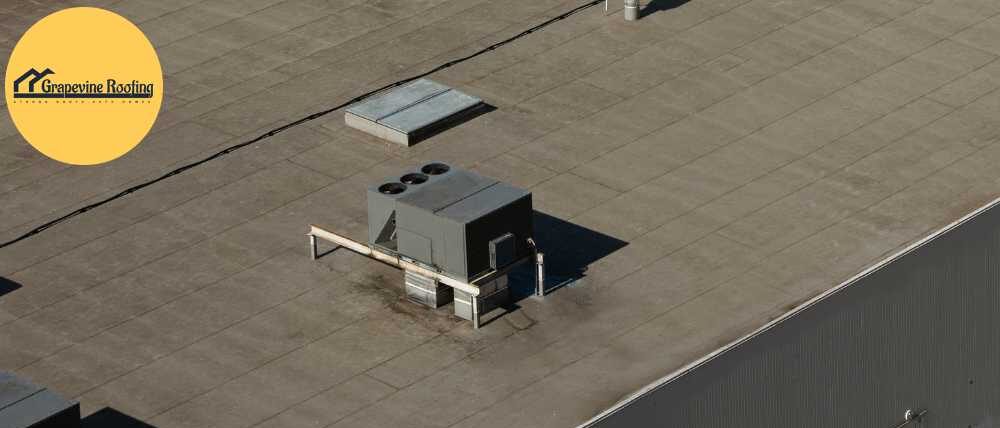
A commercial roof is one of the most critical investments for any business. Beyond shielding your property, it protects employees, equipment, and daily operations from weather-related damage. Proper installation, regular maintenance, and timely repairs ensure your roof lasts its intended lifespan while minimizing costly interruptions.
Understanding roofing systems, common challenges, and proactive care practices empowers business owners to make informed decisions that preserve both their property and bottom line.
By following expert-backed strategies, you can extend your roof’s service life, prevent leaks, and maintain energy efficiency, creating a safer, more productive environment for your staff and clients.
Planning ahead and prioritizing preventative maintenance reduces emergency repairs and ensures your commercial property continues to operate smoothly throughout the year.
Maximizing the Lifespan of Your Commercial Roof
A commercial roof’s longevity depends on the material, installation quality, and maintenance frequency. Flat and low-slope roofs, such as EPDM, TPO, PVC, and built-up systems, generally last 20–30 years with proper care. Metal roofs can last 40–70 years when installed correctly.
Regular inspections, cleaning, and repair of minor issues significantly extend lifespan. Seasonal changes, UV exposure, rooftop foot traffic, and drainage efficiency influence deterioration rates.
By proactively addressing these factors, business owners can prevent costly replacements and maintain the building’s energy efficiency. Investing in durable materials and professional installation ensures long-term performance.
Proper care not only protects assets but also enhances property value, reduces operational disruptions, and provides peace of mind for years to come.
Choosing the Right Commercial Roof
Selecting the right commercial roof is essential for durability, energy efficiency, and long-term protection. Understanding the types, materials, and maintenance requirements helps business owners make informed decisions and safeguard their investment.
Flat Roofs
Flat roofs are popular in commercial construction due to cost-effectiveness and easy access for maintenance. Materials like TPO, EPDM, and modified bitumen offer excellent flexibility, water resistance, and adaptability to rooftop equipment and drainage systems when properly installed.
Metal Roofs
Metal roofing delivers exceptional strength, longevity, and energy efficiency. Standing seam and other metal panels resist harsh weather, prevent leaks with proper installation, and reflect heat, reducing cooling costs. Coatings and fasteners ensure corrosion protection and extended service life.
Built-Up Roofing (BUR)
Built-up roofing combines multiple layers of asphalt and fabric with a gravel cap, creating strong waterproofing. BUR provides long-term durability, reliable performance, and resistance to environmental stressors, lasting up to three decades with regular inspections and preventative maintenance.
Single-Ply Membranes (PVC, TPO)
Single-ply membranes such as PVC and TPO offer chemical, UV, and water resistance. Heat-welded seams minimize leak risks, and routine inspections maintain their protective qualities, making them ideal for high-traffic or equipment-heavy commercial rooftops.
Key Maintenance Practices
- Schedule professional inspections at least twice yearly to identify early signs of damage.
- Remove debris, leaves, and branches quarterly to prevent standing water and moss growth.
- Maintain gutters, downspouts, and drainage systems to avoid water pooling and structural stress.
- Inspect roof penetrations, flashings, and joints to seal potential leak points.
- Apply reflective or protective coatings to reduce UV damage and heat absorption.
- Reinforce high-traffic zones to prevent membrane wear from rooftop equipment or personnel.
- Document all inspections, repairs, and maintenance to track roof condition and warranty compliance.
- Plan emergency procedures and ensure staff know how to respond to leaks or structural issues.
Preventing Common Roofing Problems
Regular maintenance reduces risks of leaks, ponding water, ice dams, and membrane deterioration. Proper drainage prevents water accumulation that can compromise structural integrity. Prompt repair of flashing and seals prevents minor issues from becoming major repairs.
Monitoring for UV damage, punctures, or separation in flat membranes ensures long-term performance. Seasonal adjustments, like reinforcing roofs before winter or inspecting coatings before summer, protect against weather extremes.
Investing in quality materials, energy-efficient upgrades, and professional installation minimizes recurring issues and enhances the roof’s durability. A proactive approach not only safeguards the roof but also maintains building safety, productivity, and energy efficiency, ultimately saving time and money over the roof’s lifespan.
Seasonal Roof Considerations
Commercial roofs face unique challenges with seasonal changes. Winter brings snow, ice, and freeze-thaw cycles that can stress membranes and drainage systems. Summer exposes roofs to UV radiation, increasing material degradation. Storm seasons require inspections for wind damage and ponding water.
Preparing for each season includes clearing debris, reinforcing weak points, and ensuring proper insulation. Seasonal checks reduce the likelihood of leaks, structural damage, and energy loss, keeping the roof functional year-round.
Emergency Preparedness and Documentation
Establishing a roof emergency plan is essential. Staff should know how to respond to leaks or structural issues quickly. Maintain accessible contact information for professional roofing services.
Document inspections, repairs, and maintenance activities, including dates, work performed, and photos. Proper documentation aids in warranty compliance and insurance claims while helping track roof performance over time.
Emergency Preparedness Table
| Task | Frequency | Notes |
|---|---|---|
| Roof Inspection | Biannual | Spring & Fall; after severe weather |
| Drain Cleaning | Monthly/After storms | Prevent water pooling |
| Flashing & Sealant Check | Quarterly | Reapply as needed |
| Debris Removal | Quarterly | Remove leaves, branches, moss |
| Protective Coatings | Every 3–5 years | Extend roof life & improve energy efficiency |
FAQs
How often should I inspect my commercial roof?
Commercial roofs should be inspected at least twice yearly, ideally during spring and fall. Additional inspections are recommended after storms, heavy snow, or extreme weather events to catch damage early and prevent costly repairs over time.
What is the most important maintenance task?
Maintaining proper drainage is critical. Regularly clear gutters, downspouts, and drains to ensure water flows freely. Remove standing water, leaves, and debris to prevent leaks, structural damage, and accelerated deterioration of roofing materials. This simple task protects your roof effectively.
Can roof coatings improve energy efficiency?
Yes, applying reflective roof coatings significantly enhances energy efficiency. These coatings reduce heat absorption, lower cooling costs, and shield roofing materials from harmful UV exposure. Properly applied coatings also extend roof lifespan and maintain building comfort in warm climates.
How can I extend the lifespan of my commercial roof?
Extend roof life through regular inspections, prompt repairs, and use of high-quality materials. Seasonal maintenance, proper drainage, and addressing small issues immediately prevent deterioration, reduce costs, and ensure your commercial roof remains functional and durable for decades.
Final Thoughts
Maintaining a commercial roof requires a proactive and consistent approach. Regular inspections, preventative maintenance, and prompt repair of issues are essential to protecting your business property.
Quality materials, proper installation, and seasonal planning further ensure durability and energy efficiency. Documenting maintenance activities, planning for emergencies, and working with experienced professionals provide peace of mind and reduce long-term costs.
By adopting these best practices, business owners can maximize the lifespan of their commercial roofs, prevent operational disruptions, and safeguard valuable assets.
Ultimately, investing in proper roof care is not just a maintenance task, it’s a critical step in preserving your business’s safety, continuity, and financial well-being.