

A leaky roof can quickly turn from a minor inconvenience into a major problem, threatening the structural integrity of your home and causing interior damage.
Water intrusion leads to stained ceilings, warped floors, mold growth, and deterioration of roofing materials. Early detection and timely repairs are crucial to prevent expensive damage.
While some minor leaks can be managed with DIY solutions, identifying the source of a leak can be challenging. A systematic approach inspecting shingles, flashing, vents, and attic areas ensures accurate detection.
Acting promptly, whether using temporary measures or professional repairs, helps maintain a safe, dry, and durable roof.
Knowing the causes, assessment techniques, and repair options empowers homeowners to address leaks effectively, reduce risks, and extend the lifespan of their roofing system.
How to Identify a Roof Leak
Identifying a roof leak is crucial for timely repair. Inspect ceilings, walls, and the attic for water stains, mold, sagging areas, or damaged shingles. Check flashing, vents, and gutters. Early detection prevents interior damage and guides necessary repairs.
Visual Signs to Check
Look for water stains on ceilings or walls, peeling paint, and sagging areas, which often indicate a roof leak. Missing or damaged shingles, cracked flashing, and clogged gutters are additional visual clues.
Conducting regular inspections helps catch issues early, preventing minor leaks from developing into costly structural damage.
Attic Inspection Techniques
Examine your attic carefully for damp or discolored insulation, warped roof sheathing, and water flow lines along rafters. Use a flashlight or moisture meter to track the path of water.
A systematic attic inspection can pinpoint the exact source of the leak, guiding you toward the appropriate repair method before further damage occurs.
Common Causes of Roof Leaks
- Aging Roof Materials: Shingles, sealants, and coatings degrade over time, increasing the likelihood of leaks.
- Damaged Flashing: Cracked or improperly sealed flashing around chimneys, vents, and skylights allows water infiltration.
- Roof Valleys: Poorly sealed valleys can channel water directly into vulnerable areas.
- Vent Boot Failures: Deteriorated rubber vent boots allow water to penetrate around pipes.
- Clogged Gutters: Preventing proper drainage leads to water pooling on the roof.
- Storm Damage: High winds, hail, or falling branches can displace shingles and damage roofing materials.
- Excess Attic Humidity: Condensation in the attic may mimic roof leaks and cause mold growth.
DIY Roof Leak Repair Methods
For minor leaks, homeowners can perform temporary fixes using simple tools and materials. Clean the affected area thoroughly before starting.
Replace any damaged shingles and seal small cracks or gaps with roofing cement or waterproof sealant. Inspect and reseal flashing around chimneys, vents, or skylights to prevent further water entry.
Check plumbing vent boots for cracks or wear and replace them if needed. While DIY solutions can temporarily stop leaks, they are not a substitute for professional repairs.
For significant damage, multiple leaks, or deteriorated roofing materials, hiring a qualified roofer ensures proper inspection, durable repairs, and long-term protection. Temporary fixes can minimize damage until professional services are available.
How Flashing and Vent Issues Cause Leaks
Maintaining proper flashing and vent components is crucial to prevent roof leaks. Damaged flashing around chimneys, skylights, or dormers, and deteriorated vent boots can allow water to enter. Regular inspection, sealing, and high-quality materials help protect your roof and extend its lifespan.
Step Flashing Repairs
Step flashing consists of metal pieces installed where the roof meets walls, directing water away from critical junctions. Damaged or misaligned flashing can lead to leaks.
Replace any compromised sections and ensure a secure fit along all intersections, maintaining a continuous waterproof barrier that prevents water from infiltrating your home.
Vent Boot Maintenance
Plumbing vent boots seal around roof pipes but can crack or wear over time, creating leak points. Inspect each vent boot regularly, resealing or replacing damaged ones as needed.
Proper maintenance ensures water cannot enter around plumbing vents, preserving roof integrity and preventing costly interior damage.
Storm Damage and Roof Leaks
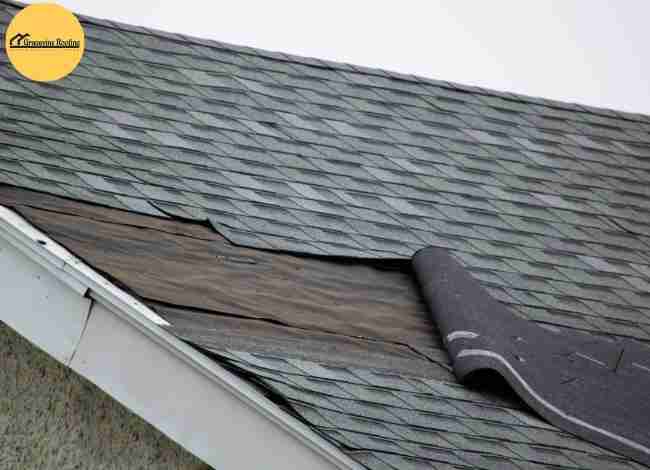
Severe weather can compromise roof integrity, leading to leaks and structural issues. High winds can lift or displace shingles, while hail can crack or dent roofing materials.
Heavy rain or snow accumulation may find weak points in aging or damaged areas. Even minor storm damage can allow water to seep beneath shingles, causing mold growth, rot, and deterioration.
After storms, inspect the roof thoroughly, checking for missing shingles, broken flashing, and clogged gutters.
Prompt repair of storm damage is essential to prevent further water infiltration and maintain the long-term durability of your roof. Regular inspections before and after storms help catch problems early.
Preventive Maintenance for a Leak-Free Roof
Routine maintenance is the most effective way to prevent roof leaks. Inspect your roof at least twice a year for damaged or missing shingles, cracked flashing, clogged gutters, or deteriorating vent boots.
Ensure proper attic ventilation and insulation to minimize moisture buildup. Trim overhanging tree branches to prevent branch damage during storms.
Small repairs, such as sealing minor cracks with roofing cement or replacing worn vent boots, can significantly extend the lifespan of your roof.
Proactive attention prevents costly water damage, mold growth, and structural deterioration, saving money over time. A well-maintained roof remains a reliable barrier against the elements for years.
Choosing the Right Roofing Materials
Selecting durable, high-quality materials is crucial for long-term leak prevention. Asphalt shingles provide a cost-effective watertight seal, while metal roofs offer superior longevity, resistance to harsh weather, and minimal maintenance.
Underlayment beneath roofing materials acts as an additional water barrier. Premium shingles, proper flashing, and professional installation ensure that your roof can withstand storms, ice, and wind, significantly reducing the likelihood of leaks.
Investing in quality materials and installation protects your home, enhances curb appeal, and prevents expensive repairs in the future.
| Material | Benefits | Maintenance | Lifespan |
|---|---|---|---|
| Asphalt Shingles | Affordable, watertight | Replace damaged shingles | 20–30 years |
| Metal Roof | Durable, weather-resistant | Minimal upkeep | 40–70 years |
| Underlayment | Water-resistant barrier | Inspect periodically | 25–40 years |
FAQs
How do I temporarily stop a roof leak?
To temporarily stop a roof leak, apply roofing cement to small cracks or gaps in shingles or flashing. You can also use waterproof tape or sealant around vent boots and flashing to prevent water from entering until permanent repairs are made.
How can I find the source of a roof leak?
Locate a roof leak by inspecting ceilings, walls, and attic areas for water stains, damp insulation, mold, or sagging. You can also use a garden hose to simulate rainfall while carefully observing where water enters to pinpoint the exact leak location.
Can I fix flashing issues myself?
Minor flashing problems can be temporarily fixed by sealing small cracks with roofing cement. However, large, misaligned, or extensively damaged flashing requires professional attention to ensure a watertight seal and prevent recurring leaks that could damage your roof structure.
How often should I inspect my roof to prevent leaks?
Inspect your roof at least twice a year, ideally in spring and fall. Also, check after severe storms, heavy snow, or high winds. Regular inspections help identify minor issues early, preventing water damage, mold growth, and costly repairs over time.
Final Thoughts
Fixing a leaky roof requires a balance of prompt action, accurate detection, and proper repair techniques. Minor leaks can often be managed with DIY solutions, but extensive damage or multiple leak sources should be handled by professionals to ensure durability.
Regular inspections, timely maintenance, and high-quality materials prevent costly repairs, protect your home from water damage, and extend the lifespan of your roofing system.
By understanding common leak causes such as damaged shingles, flashing issues, vent problems, and storm damage homeowners can take proactive measures to address issues early.
Maintaining a leak-free roof preserves your home’s structural integrity, keeps interior spaces safe and dry, and provides long-term peace of mind.