
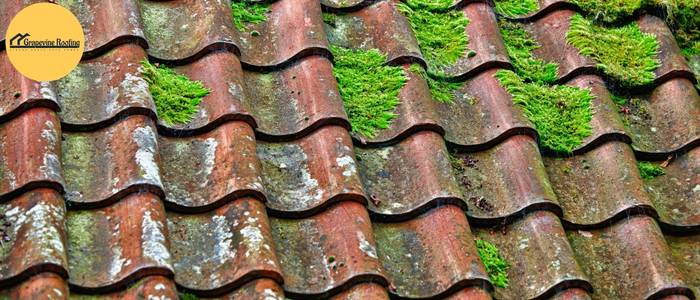
Moss growth on roofs is a common issue in humid and shaded areas, and while it may look charming to some homeowners, it can pose significant risks to your roofing system.
Moss retains moisture, lifts shingles, and promotes the growth of mold and fungi, which can damage the underlying decking. Ignoring moss may lead to leaks, shingle blow off, and long term structural issues.
Fortunately, removing moss safely and preventing its return is achievable with proper techniques. From using mild chemical solutions to trimming overhanging branches, homeowners can protect their roof while maintaining its aesthetic and functional integrity.
This guide covers step-by-step methods, preventive strategies, and tips for maintaining a moss-free roof for years to come.
How Moss Develops and Spreads on Roofs
Moss thrives in damp, shaded environments where moisture lingers for extended periods. It spreads through spores carried by wind, birds, and other animals, making it easy for infestations to appear across multiple roofs in a neighborhood.
Moss prefers north-facing slopes or areas shaded by trees, where sunlight is minimal and the roof remains wet longer.
Unlike typical plants, moss absorbs water through its leaves rather than roots, which allows it to cling tightly to shingles and retain moisture.
Over time, this can lift or curl shingles, disrupt proper drainage, and create conditions for mold and fungi to grow. Understanding how and why moss grows is the first step toward safely removing it and preventing future outbreaks.
Why Removing Moss is Important
Moss isn’t just a cosmetic problem it can cause real damage to shingles over time. It grows in damp, shaded areas, often on north-facing roof slopes or beneath overhanging trees.
Moss retains water, creating conditions that accelerate shingle deterioration and promote mold growth. Over time, the moss lifts shingles and disrupts proper drainage, which may lead to leaks and water damage in the roof deck and attic.
Even if the moss appears dead, it can quickly revive after rainfall. By addressing moss promptly, homeowners reduce long-term repair costs, maintain roof efficiency, and preserve home value.
Regular inspection and maintenance prevent moss from spreading and ensure the roof remains safe, durable, and visually appealing.
Common Moss Hazards
Moss retains moisture against roof shingles, increasing the risk of rot, decay, and leaks over time. It can also lift or curl shingles, making them more vulnerable to wind damage and reducing the roof’s overall weather resistance and lifespan.
Aesthetic Concerns
Moss creates uneven roof surfaces, unsightly green patches, and dark streaks that significantly reduce curb appeal. Even without immediate structural damage, a moss-covered roof can make a home appear poorly maintained and negatively impact perceived property value.
Secondary Problems
Dead moss can trap moisture and promote the growth of mold and fungi beneath shingles. These conditions may compromise attic air quality, weaken structural wood components, and increase the risk of long-term health and maintenance issues.
Materials and Tools Needed for Moss Removal
- Ladder with proper safety setup
- Garden hose with low-pressure nozzle
- Leaf blower for loose debris
- Soft synthetic brush or push broom
- Moss-specific cleaners or a homemade solution (e.g., bleach and water mix)
- Protective gloves and eye protection
- Garbage bags for moss disposal
Proper preparation ensures safety and effectiveness. Avoid stepping directly on wet moss, and never use a pressure washer on asphalt shingles, as it can strip granules and damage the roof.
Safe Moss Removal Methods
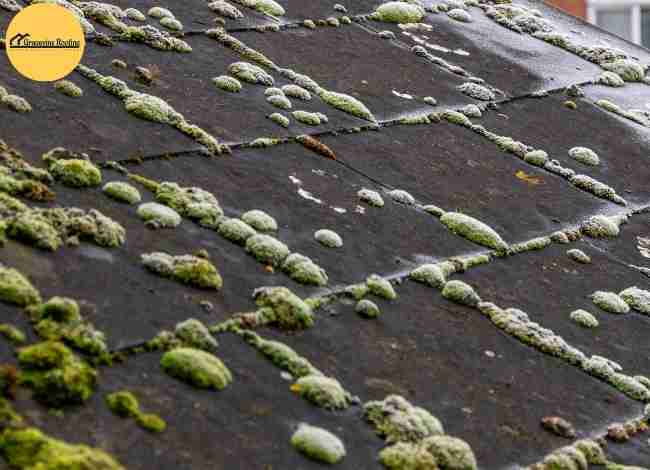
Chemical Treatments: Use a moss-specific cleaner or a diluted bleach solution (50:50 water and laundry-strength chlorine bleach). Spray moss and allow it to dwell for 15–20 minutes. Rinse thoroughly with low-pressure water. Repeat if necessary.
Manual Removal: Once moss is loosened, gently lift and dispose of it using a leaf blower or by hand while standing on a ladder. Avoid scrubbing aggressively.
Preventive Measures: Trim overhanging branches, clean debris, and improve roof ventilation to reduce moisture accumulation. Install zinc or copper strips at the roof ridge to inhibit regrowth.
Preventing Moss Growth
Maintaining a moss-free roof requires ongoing attention:
- Trim trees near the roof to increase sunlight and airflow.
- Keep gutters clean to prevent standing water.
- Avoid debris accumulation, using a leaf blower or soft broom regularly.
- Fix leaks promptly to eliminate moisture sources.
- Apply roof-safe chemical treatments periodically in areas prone to moss growth.
- Use moss-resistant shingles or incorporate zinc/copper granules during roof replacement.
Consistent preventive care minimizes maintenance costs and prolongs the life of your roof.
When to Hire a Professional
For large infestations or steep, slippery roofs, hiring a professional is the safest option. Professionals can:
- Safely access all roof areas without risk of falls.
- Properly apply chemical treatments.
- Inspect and repair damaged shingles or decking.
A professional ensures thorough moss removal while preventing unintended damage to your roof or landscaping.
Products and Treatments Overview
| Product/Method | Description | Notes |
|---|---|---|
| Bleach & Water | 50:50 solution, dwell 15–20 min | Rinse thoroughly, protect plants |
| Zinc/Copper Strips | Install at ridge to prevent regrowth | Effective long-term |
| Moss-Specific Cleaners | EPA-approved, non-bleach | Follow manufacturer instructions |
| Leaf Blower / Brush | For loose moss and debris | Avoid scraping shingles |
FAQs
Can moss damage my roof?
Yes, moss can seriously damage your roof by lifting shingles, trapping moisture, and preventing proper drainage. Over time, this leads to leaks, mold growth, wood rot, and structural deterioration that shortens the overall lifespan of the roofing system.
How often should I inspect for moss?
You should inspect your roof for moss at least once a year, especially in shaded or humid areas. Additional inspections are recommended after heavy storms or long wet seasons, as moisture encourages moss growth and accelerates roof surface deterioration.
Can I remove moss myself?
Yes, homeowners can remove moss using ladder-safe methods and low-pressure cleaning solutions. Gentle brushing and approved treatments work well, but pressure washers should be avoided because they can dislodge shingles, damage granules, and reduce the roof’s protective lifespan.
Do zinc or copper strips prevent moss?
Yes, zinc or copper strips help prevent moss and algae by releasing metal ions when rainwater flows over them. These ions inhibit organic growth over time, making them an effective long-term solution when properly installed near the roof ridge.
Final Thoughts
Removing moss from your roof is crucial for long-term protection, aesthetics, and safety. Safe removal methods, including chemical treatments, gentle manual removal, and preventive measures, can prevent damage and extend the life of your shingles.
Consistent maintenance, such as trimming overhanging branches, cleaning gutters, and monitoring moisture, minimizes the likelihood of regrowth.
For steep or heavily infested roofs, professional intervention ensures effective and safe moss removal. By combining proactive prevention with careful maintenance, homeowners can enjoy a clean, durable roof that resists moss, mold, and algae while maintaining the overall integrity and value of their home.