
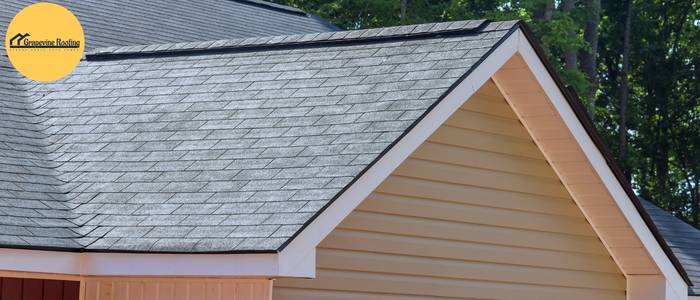
Your roof is your home’s first line of defense against the elements, protecting your family, belongings, and the structural integrity of your property. Over time, even the most durable roofs can show signs of aging, wear, or damage.
Recognizing these warning signs early can prevent costly repairs, water damage, and structural issues. From curling shingles to moss growth, a deteriorating roof may silently compromise your home.
Regular inspections and awareness of the roof’s condition are essential for maintaining a safe and comfortable living space. Knowing when to repair versus replace can save you thousands of dollars while ensuring your home remains secure and energy-efficient.
Frequent Signs of Roof Aging
Over time, all roofs experience wear and tear due to exposure to sun, rain, wind, and other environmental factors. Common signs of aging include curling, cracking, or missing shingles, as well as granule loss and discolored patches.
These issues indicate that the protective layers of your roof are weakening, which can lead to leaks, water damage, or structural problems if left unaddressed.
Regular inspections help identify these early warning signs, allowing homeowners to schedule necessary repairs or plan for a full roof replacement before minor problems escalate.
Being proactive not only extends the lifespan of your roof but also protects your home, its contents, and your family’s comfort and safety.
How to Identify Roof Problems
A failing roof often shows subtle signs before major leaks appear. Curling shingles, missing granules, water stains, and moss growth are common indicators. Structural issues like sagging or uneven lines point to deeper problems. Early detection prevents damage and costly repairs.
Shingle Damage
Shingles that curl, crack, or go missing weaken the roof’s water and wind protection. Age, UV exposure, temperature shifts, and poor attic ventilation accelerate deterioration. Regular inspection helps determine whether repairs or replacement are needed to maintain roof integrity.
Granule Loss
Shingle granules protect asphalt from UV rays. When granules accumulate in gutters or bare spots appear, the roof is aging or damaged. Excessive granule loss accelerates deterioration, reduces effectiveness, and signals that maintenance or replacement may be necessary.
Moss and Algae
Moss, algae, and mold hold moisture on shingles, causing rot and decay. Persistent growth shortens lifespan and can compromise the roof deck.
Removing buildup and addressing underlying moisture problems helps prevent structural weakening and prolongs roof performance.
Top Warning Signs You Need a Roof Replacement
- Roof Age – Most asphalt shingle roofs last 15–25 years; wood, metal, and tile may last longer. Older roofs are prone to hidden deterioration.
- Frequent Leaks – Recurring leaks signal underlying structural or material failures. Even small leaks can cause mold and rot.
- Sagging Roof Deck – A sagging roof indicates water damage or compromised support beams, posing safety hazards.
- Daylight in Attic – Visible light through the roof deck means water intrusion is possible, and decking may be compromised.
- Damaged Flashing – Rusted, bent, or missing flashing allows water to seep into vulnerable areas around vents, chimneys, or valleys.
- Excessive Granules in Gutters – Large deposits of granules suggest shingles are losing protection, making the roof more vulnerable to heat and UV damage.
Indoor Warning Signs
Roof damage often manifests inside your home. Water stains on ceilings or walls, peeling paint, or damp insulation can indicate leaks or condensation problems.
Mold or mildew growth affects both home aesthetics and indoor air quality. Rising energy bills may also signal ventilation or insulation issues caused by a deteriorating roof.
Monitoring both exterior and interior signs provides a comprehensive view of roof health and helps prioritize timely intervention. Regular attic inspections after storms can reveal early problems before they escalate into expensive repairs.
Structural Concerns to Monitor
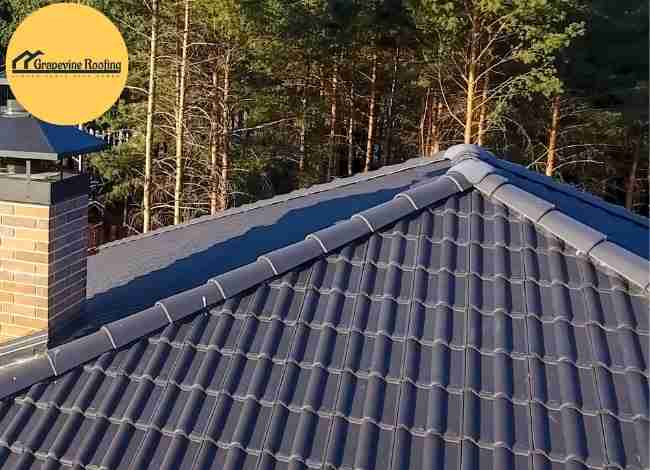
Sagging rooflines, uneven surfaces, and bowed rafters often indicate structural issues. Such problems may result from prolonged water exposure, inadequate bracing, or foundation shifts.
Addressing structural integrity is critical before investing in a full roof replacement, as failing to do so could compromise a new roof and lead to recurring issues. Inspecting the underlying framework ensures any replacement lasts as long as intended and prevents future damage to interior spaces.
Hail and Storm Damage
Severe weather, such as hail, high winds, or falling debris, can harm shingles, flashings, and roof decking. Small damage may be repairable, but extensive impact often requires a full roof replacement. Post-storm inspections prevent hidden leaks and structural issues.
Minor Hail Damage
Small dents, pock marks, or minor granule loss usually do not compromise roof integrity. Localized repairs or shingle replacement can restore protection.
Early detection prevents these minor issues from becoming larger problems that could accelerate roof deterioration and require more costly repairs.
Major Storm Damage
Extensive shingle cracking, missing shingles, or damaged decking indicates serious roof failure. Full replacement is often necessary to maintain waterproofing, structural integrity, and long-term durability.
Prompt attention minimizes water intrusion, prevents interior damage, and extends the lifespan of the new roofing system.
Maintenance Tips and Prevention
Routine maintenance prolongs roof lifespan and prevents costly emergencies. Inspect shingles, flashings, gutters, and attic spaces twice a year, particularly after storms. Clean moss, algae, and debris to avoid trapped moisture.
Ensure proper attic ventilation to prevent shingle curling and premature aging. Promptly address minor leaks, missing shingles, or rusted flashing. Timely repairs combined with preventive inspections help homeowners decide between patching and full replacement before small problems escalate.
Roof Lifespan by Material
| Material | Typical Lifespan | Notes |
|---|---|---|
| Asphalt Shingles | 15–25 years | Depends on quality, ventilation, and climate |
| Wood Shingles | 20–25 years | Requires regular maintenance |
| Metal Roofing | 40–70 years | Durable, often requires minimal upkeep |
| Tile Roofing | 50+ years | Lasts long if underlayment remains intact |
FAQs
How do I know if I need a full roof replacement or just repairs?
A full replacement is recommended if more than 30% of shingles are damaged, the roof is over 20 years old, or leaks appear in multiple areas. Minor, isolated damage on a newer roof may only require repairs to restore protection and prevent further issues.
Can partial roof replacement be effective?
Partial replacement works only when damage is confined to one area, the remaining roof is in good condition, and shingles can be matched seamlessly.
For older roofs or widespread damage, partial repairs may look mismatched and fail sooner, making a full replacement the more cost-effective and reliable option.
What should I check after a storm?
After a storm, inspect your roof for missing or damaged shingles, granule loss, dented gutters, and compromised flashings. Check the attic for leaks, water stains, or sagging boards. Early detection of storm-related damage helps prevent water intrusion, structural problems, and costly repairs down the line.
Does roof age always mean replacement is necessary?
Not always. Older roofs are more likely to have hidden deterioration, but some may remain functional with repairs. Roof age alone isn’t a definitive indicator.
A professional inspection can identify compromised materials, structural concerns, or leaks that require replacement, helping you make an informed decision about your roof’s condition.
Final Thoughts
A strong, well-maintained roof is essential for protecting your home and ensuring comfort and safety year-round. Early recognition of warning signs like curled shingles, sagging decks, leaks, or moss growth allows homeowners to act before small issues escalate.
Proactive inspections, repairs, and professional guidance help preserve the roof’s lifespan and your property’s value, while preventing costly emergency replacements. Addressing roofing problems promptly not only protects your home from structural damage but also improves energy efficiency and overall peace of mind.